
Steering systems are crucial for vehicle control, evolving from manual steering – simpler, offering excellent road feel but demanding effort – to power steering, enhancing ease of use.
Modern advancements, like Electric Power Steering (EPS), prioritize reduced driver strain and improved responsiveness, signaling a shift towards assisted technologies.
These systems impact handling, safety, and the overall driving experience, with ongoing innovations continually reshaping automotive technology.
The market forecasts to 2032 indicate continued growth and refinement within the steering system landscape.
Historical Overview of Steering
Early automobiles relied entirely on manual steering, a physically demanding system requiring significant driver effort, especially at low speeds or during maneuvers. This initial approach directly linked the steering wheel to the wheels via a series of mechanical linkages.
The need for reduced driver fatigue spurred the development of power steering in the early 20th century. Initial attempts focused on hydraulic assistance, offering a substantial reduction in steering effort. These early Hydraulic Power Steering (HPS) systems were complex and often prone to leaks.
Throughout the mid to late 20th century, HPS became increasingly common, improving vehicle accessibility and comfort. However, the emergence of Electric Power Steering (EPS) marked a significant turning point. EPS offered greater efficiency, tunability, and integration with advanced driver-assistance systems.
Today, EPS is rapidly becoming the dominant technology, driven by fuel efficiency demands and the increasing sophistication of automotive electronics. The evolution reflects a continuous pursuit of balance between driver engagement and ease of operation.
Manual Steering: The Traditional Approach
Manual steering represents the foundational method of vehicle steering, directly connecting the driver’s input at the steering wheel to the wheels through a purely mechanical linkage. This system, prevalent in earlier automotive designs, demands considerable physical effort from the driver, particularly during parking or low-speed maneuvers.
Despite its physical demands, manual steering offers distinct advantages. Drivers experience a heightened sense of road feel and direct feedback from the vehicle, fostering a more connected driving experience. This directness allows for precise control and a better understanding of tire grip.
However, the increased effort required can be fatiguing on longer journeys or in challenging driving conditions. While simpler and generally less expensive to maintain than power steering systems, it lacks the assistance that modern drivers often expect.
Even with modern advancements, manual steering remains present in some sports cars and older vehicles, valued for its raw driving experience and simplicity.

How Manual Steering Works
Manual steering relies on a direct mechanical connection, transmitting driver input through linkages to the wheels; it requires physical effort, unlike assisted power steering systems.
Mechanical Linkages Explained
Manual steering systems utilize a series of robust mechanical linkages to translate rotational motion from the steering wheel to the vehicle’s wheels. The steering wheel connects to a steering shaft, which in turn engages a steering gear box – often a recirculating ball or worm and sector design.
This gear box converts the rotational motion into linear motion, pushing or pulling on the steering linkage; This linkage, comprised of tie rods and steering knuckles, directly connects to the front wheels, causing them to turn.
Unlike power steering, which incorporates hydraulic or electric assistance, manual systems depend entirely on the driver’s muscle power to overcome resistance. Every turn requires direct physical effort, as there’s no assistance to reduce the torque needed. The simplicity of these linkages, however, provides a direct “road feel,” allowing drivers to sense the road conditions more acutely.
These systems, while reliable, demand greater driver input, especially at lower speeds or during parking maneuvers, a stark contrast to the ease offered by assisted steering.
Advantages of Manual Steering
Manual steering offers several distinct advantages, primarily centered around simplicity and driver connection. Its most significant benefit is cost; lacking complex hydraulic pumps or electric motors, it’s considerably cheaper to manufacture and maintain than power steering systems.
This simplicity also translates to increased reliability. Fewer components mean fewer potential points of failure, reducing the risk of breakdowns and costly repairs. Furthermore, manual steering provides exceptional “road feel,” delivering a direct and unfiltered connection between the driver and the vehicle.
Drivers can more readily sense changes in road surface and tire grip, enhancing control and responsiveness. While requiring more physical effort, this direct feedback can be particularly appreciated by enthusiasts who prioritize driving engagement.
In situations where power steering assistance fails, a manual system allows continued, albeit more strenuous, control, offering a fallback option for safety.
Disadvantages of Manual Steering
Despite its advantages, manual steering presents notable drawbacks, particularly concerning driver effort and convenience. The most significant disadvantage is the substantial physical exertion required, especially during low-speed maneuvers like parking or navigating tight turns. This can be fatiguing, particularly for drivers with limited upper body strength or those frequently operating in congested areas.
The increased effort also translates to slower steering response, potentially impacting reaction time in emergency situations. While “road feel” is a benefit for some, it can be perceived as harsh or jarring by others, diminishing ride comfort.
Modern vehicles, often heavier and equipped with larger tires, exacerbate these issues, making manual steering impractical for many drivers. Furthermore, excessive steering wheel vibration or wandering, potentially indicative of a faulty steering box, can be more pronounced and difficult to manage without power assistance.

Power Steering: An Assisted Solution
Power steering dramatically reduces driver effort, making vehicle control easier, especially at low speeds and during turns. It’s a significant improvement over manual steering systems.
This assistance enhances maneuverability and overall driving comfort, becoming increasingly vital in modern, heavier vehicles;
Hydraulic Power Steering (HPS)
Hydraulic Power Steering (HPS) represents a traditional approach to assisted steering, utilizing hydraulic fluid to amplify the driver’s steering input. This system employs a pump, driven by the engine, to generate pressure within the hydraulic fluid. When the driver turns the steering wheel, a valve directs this pressurized fluid to assist the steering gear, effectively reducing the effort needed to move the wheels.
Compared to manual steering, HPS offers a substantial reduction in steering effort, particularly at lower speeds. However, it differs from more modern Electric Power Steering (EPS) systems by being constantly engaged, consuming engine power even when no steering assistance is required. This constant draw can slightly impact fuel efficiency.
While reliable and relatively simple in design, HPS systems are susceptible to fluid leaks and require periodic maintenance. They provide a consistent level of assistance, but lack the adaptability of EPS, which can adjust assistance levels based on vehicle speed and driving conditions. Despite these drawbacks, HPS remains a functional and widely used steering solution.
Electric Power Steering (EPS)

Electric Power Steering (EPS) has emerged as the dominant steering assistance technology, offering significant advantages over both manual steering and traditional Hydraulic Power Steering (HPS). Unlike HPS, EPS doesn’t rely on engine-driven pumps; instead, it utilizes an electric motor to provide steering assistance. This motor is controlled by sensors that monitor vehicle speed, steering wheel angle, and driver input.
EPS systems are notably more fuel-efficient than HPS, as they only consume power when assistance is needed. Furthermore, EPS allows for adjustable assistance levels, providing lighter steering at low speeds for easy maneuvering and firmer steering at higher speeds for enhanced control. This adaptability is a key benefit over the consistent assistance of HPS.
Modern EPS systems are increasingly sophisticated, incorporating features like variable assist and even self-parking capabilities. While initially more complex than HPS, EPS has become increasingly reliable and represents the future of steering technology, as evidenced by numerous patents and innovations.
Advantages of Power Steering
Power steering fundamentally reduces the physical effort required to turn the steering wheel, particularly at low speeds or during parking maneuvers. Compared to manual steering, this translates to a significantly more comfortable and less fatiguing driving experience, especially on longer journeys or in congested traffic.
The assistance provided by power steering makes vehicles easier to control, particularly for drivers with limited upper body strength. It also allows for quicker steering response, enhancing maneuverability and potentially improving safety in emergency situations. Power steering systems effectively mitigate the “heavy” feel associated with traditional manual setups.
Furthermore, power steering simplifies negotiating sharp curves and reduces strain on the steering components themselves. While manual steering offers a direct connection to the road, power steering provides a balance between assistance and control, making it a preferred choice for most modern vehicles.
Disadvantages of Power Steering
While offering significant benefits, power steering isn’t without its drawbacks when contrasted with manual steering. A primary concern is the potential loss of “road feel” and direct feedback from the vehicle. This can diminish the driver’s sense of connection to the road, potentially impacting driving precision and enjoyment for some enthusiasts.
Power steering systems add complexity to the vehicle, introducing additional components – pumps, hoses, or electric motors – that can be prone to failure and require maintenance. This translates to potentially higher repair costs compared to the simpler mechanics of a manual system. Furthermore, power steering consumes engine power, albeit a relatively small amount.
In the event of a power steering system failure, steering becomes considerably more difficult, though not impossible, requiring increased driver effort. Modern systems, however, are designed to provide some residual steering capability even in failure mode.
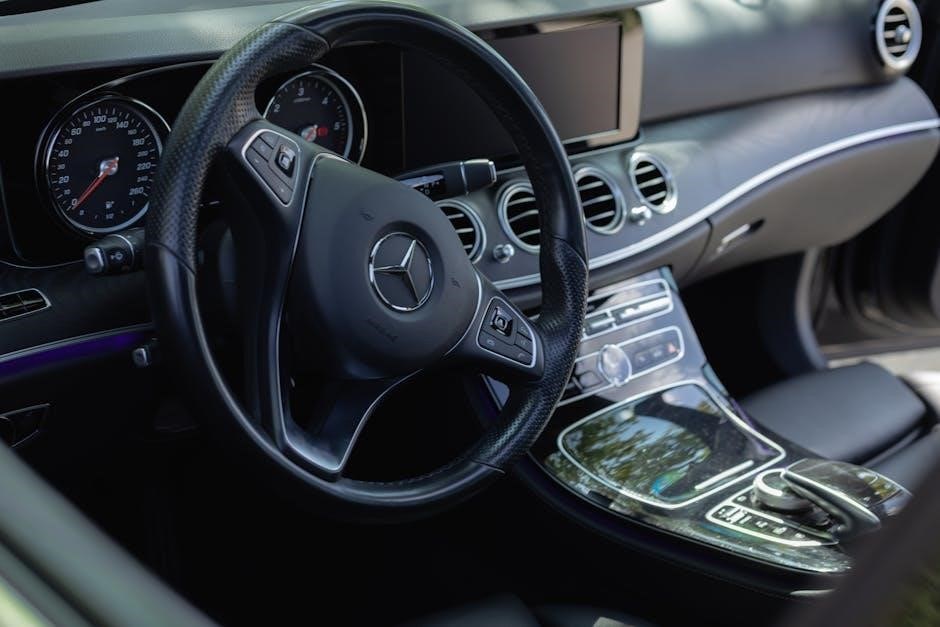
Power Steering vs. Manual Steering: A Direct Comparison
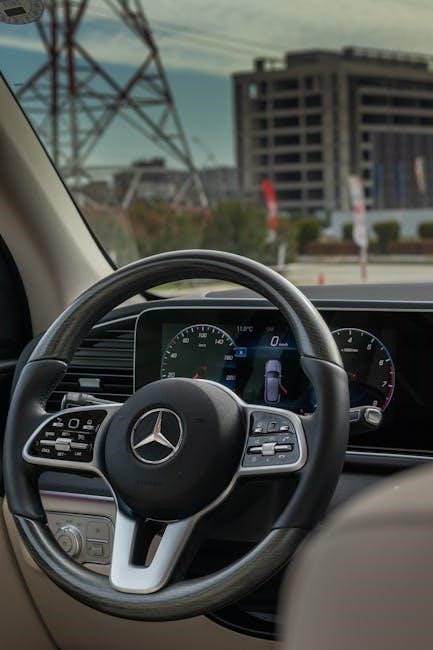
Power steering eases operation, while manual steering provides superior road feel. Effort levels differ significantly; power assist reduces strain, but manual systems offer a more connected driving experience.
Road Feel and Driver Feedback

Manual steering systems are renowned for delivering exceptional road feel and direct driver feedback. This connection allows drivers to intuitively sense the road surface and tire grip, fostering a more engaging and confident driving experience. Every nuance of the road – bumps, textures, and changes in traction – is communicated directly through the steering wheel.
Conversely, power steering, while enhancing ease of use, can sometimes filter out some of this crucial feedback. The assistance provided by hydraulic or electric systems can create a slight disconnect between the driver’s inputs and the vehicle’s response. However, modern EPS systems are increasingly sophisticated, aiming to replicate the feel of manual steering while retaining the benefits of assistance.
The degree of feedback varies depending on the specific power steering implementation. Some systems prioritize a lighter, more isolated feel, while others strive for a more natural and communicative experience. Ultimately, the preference for road feel versus ease of steering is often a matter of individual driver preference and driving style.
Effort and Ease of Use
Manual steering undeniably requires significantly more physical effort from the driver, particularly at low speeds or during parking maneuvers. Turning the steering wheel can be strenuous, especially in larger vehicles, demanding considerable muscle power. This can lead to driver fatigue on longer journeys or in stop-and-go traffic.
Power steering dramatically reduces the effort needed to turn the wheel, making steering considerably easier, especially for a wider range of drivers. This assistance is particularly beneficial for those with limited upper body strength or for vehicles with heavier steering components. It simplifies maneuvers like parking and navigating tight spaces.
While manual steering offers a more direct connection, power steering prioritizes convenience and accessibility. Modern EPS systems further refine this, offering variable assistance levels that adjust based on vehicle speed and driving conditions, providing optimal ease of use without sacrificing all driver feel. The reduction in strain makes driving more comfortable and less demanding.

Modern Trends in Steering Technology
EPS dominance signifies a shift, with patents showcasing innovations in power steering systems. Manual steering’s simplicity faces challenges as electric assistance becomes increasingly sophisticated and prevalent.
Steering System Patents and Innovations
Recent patent applications, like US20240034408A1, demonstrate ongoing development within power steering technologies, focusing on efficiency and responsiveness. These innovations contrast sharply with the relatively static nature of manual steering designs.
While manual steering retains appeal for its direct road feel, the automotive industry increasingly prioritizes driver assistance. This is evidenced by the surge in EPS patents, exploring variable assist levels and integration with advanced driver-assistance systems (ADAS).
Innovations aren’t limited to the power source; advancements in steering gear ratios and electronic control units are also prominent. These developments aim to optimize steering precision and reduce physical effort, features inherently lacking in traditional manual systems.
Furthermore, patents explore steering systems that adapt to driving conditions, offering enhanced stability and control. This adaptive capability represents a significant departure from the fixed characteristics of manual steering, solidifying power steering’s position as the future of automotive steering.
The Future of Steering Systems (EPS Dominance)
Electric Power Steering (EPS) is poised for complete dominance, driven by its efficiency, adaptability, and seamless integration with autonomous driving technologies. While manual steering offers a purist driving experience, its limitations in ease of use and adaptability hinder its future prospects.
The trend towards lighter vehicles and improved fuel economy further favors EPS, as it consumes power only when assistance is needed, unlike traditional hydraulic power steering; This efficiency, coupled with the ability to finely tune steering feel, makes EPS the preferred choice for manufacturers.
Future innovations will likely focus on enhancing EPS systems with features like steer-by-wire technology, eliminating the mechanical link between the steering wheel and wheels. This will unlock new possibilities for vehicle control and safety, a realm inaccessible to manual steering.
Ultimately, the automotive market’s trajectory points towards increasingly sophisticated, electronically assisted steering systems, relegating manual steering to niche applications and classic vehicles.