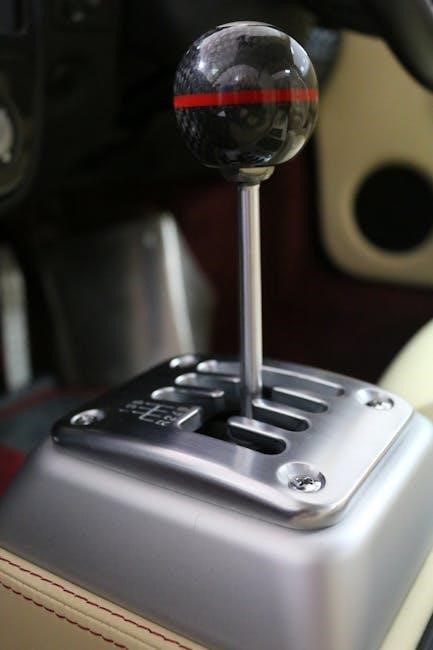
The automotive world witnesses a dramatic shift, with manual transmissions dwindling to just 4% of US vehicles in 2023. Paddle shifters,
leveraging advanced technology, are gaining prominence, offering a blend of control and convenience for modern drivers.
The Decline of Manual Transmissions
A significant trend reveals a steep decline in manual transmission popularity, with only 4% of American drivers currently utilizing them as of May 2023. This shift isn’t merely preference; it reflects a broader move towards convenience and accessibility.
Modern automatic transmissions, especially those equipped with paddle shifters, offer comparable performance and control. Drivers increasingly favor the ease of automatics, diminishing the demand for the skill and engagement required by manual gearboxes. This trend is reshaping the automotive landscape.
The Rise of Paddle Shifters
Paddle shifters are rapidly gaining traction, evolving from a luxury feature to a common offering in mass-market vehicles. Their appeal lies in bridging the gap between automatic convenience and manual control. Advanced clutch and computer technology enables incredibly fast, split-second gear changes. This technology, pioneered by Ferrari in the 1980s with Formula 1 racing, now enhances the driving experience for everyday motorists, offering a more engaging alternative.
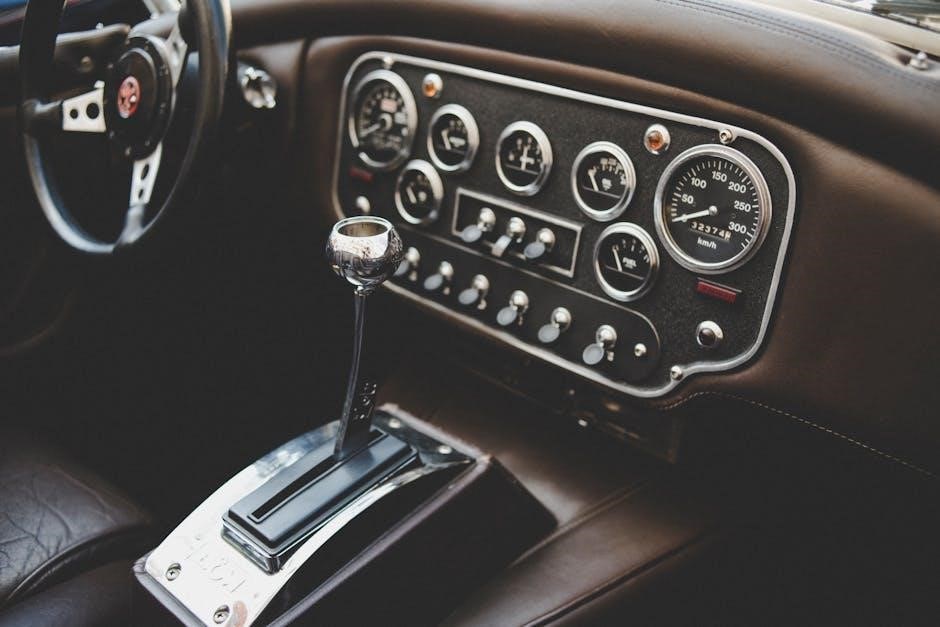
Understanding Manual Transmissions
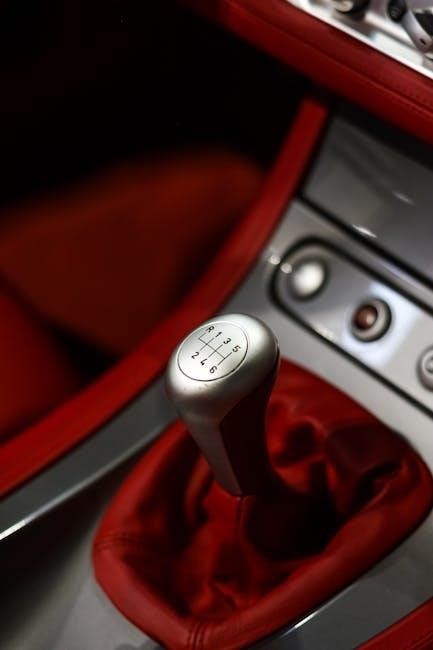
Manual transmissions demand driver skill, requiring clutch and gear lever coordination. They offer direct control, fostering a strong connection with the vehicle, though a learning curve exists.
How a Manual Transmission Works
A manual transmission relies on a driver-operated clutch to engage and disengage the engine from the gearbox. This allows for selecting different gear ratios via a shift lever, directly controlling engine power delivery to the wheels. Internal gears mesh to provide varying levels of torque and speed.
The driver must synchronize engine speed with gear changes, preventing jarring or damage. This process requires precise timing and coordination, offering a tactile and engaging driving experience. Unlike automatics, a manual transmission doesn’t automatically select gears.
The Driver Engagement Factor
Manual transmissions foster a strong connection between driver and machine, demanding active participation in the driving process. Each gear change requires deliberate action, creating a sense of control and involvement often absent in automated systems. This tactile feedback and the need for skill contribute to a more immersive experience.
Drivers often report a heightened sense of awareness and enjoyment when operating a manual. The engagement extends beyond simply reaching a destination; it becomes an integral part of the journey itself, appealing to enthusiasts seeking a visceral driving experience.
The Learning Curve and Skill Required
Mastering a manual transmission demands significant practice, initially presenting challenges like stalling and jerky shifts. Coordinating clutch control, gear selection, and throttle input requires developing muscle memory and timing. This learning curve can be steep, potentially discouraging some drivers;
However, the acquired skill is rewarding, offering precise control and a deeper understanding of vehicle mechanics. Paddle shifters, conversely, require minimal learning, offering intuitive gear changes with minimal effort, making them accessible to a wider range of drivers.
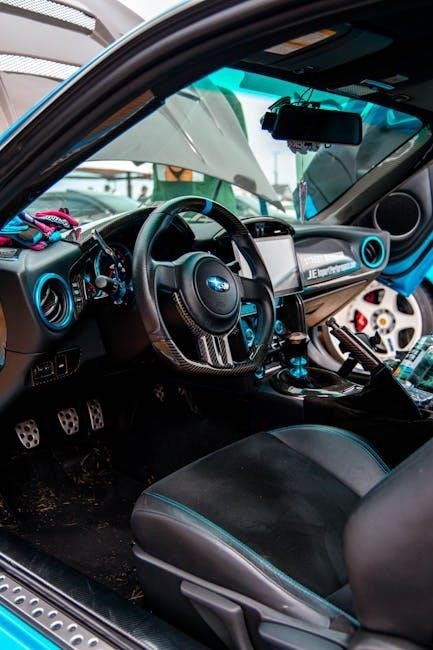
Delving into Paddle Shifters
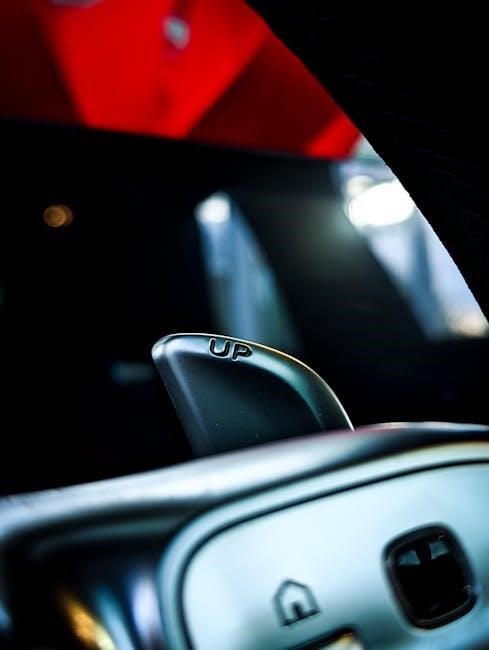
Paddle shifters, or flappy-paddle gearboxes, are steering wheel-mounted controls for gear selection. They offer a blend of automatic convenience and manual-like control, increasingly found in modern vehicles.
What are Paddle Shifters?
Paddle shifters represent a fascinating evolution in automotive transmission technology. Often dubbed “flappy-paddle gearboxes,” these mechanisms allow drivers to manually control gear changes without utilizing a traditional gear stick. Positioned conveniently behind the steering wheel, they typically consist of two paddles – one for upshifting and one for downshifting.
Unlike a fully manual transmission requiring clutch pedal operation, paddle shifters operate within an automatic transmission system, or more commonly, a dual-clutch transmission (DCT). They provide a more engaging driving experience, offering a sense of control that standard automatic modes often lack, bridging the gap between convenience and driver involvement.
How Paddle Shifters Operate
Paddle shifters don’t directly engage gears like a manual transmission; instead, they send electronic signals to the transmission control unit (TCU). These signals instruct the TCU to execute a gear change, utilizing actuators and hydraulics (or electro-mechanical systems in DCTs) to perform the shift.
Modern systems boast incredibly fast shift speeds, often measured in milliseconds, thanks to advanced clutches and computer control. The TCU optimizes shift points for performance or fuel efficiency, depending on the selected driving mode. This allows for responsive and precise gear selection, enhancing the driving experience.
Types of Transmissions with Paddle Shifters (DCT vs. Traditional Automatic)
Paddle shifters are found on two primary transmission types: traditional automatic transmissions and dual-clutch transmissions (DCTs). Traditional automatics use a torque converter and planetary gearsets, with paddle shifters controlling shift points.
DCTs, however, offer a fundamentally different experience. They employ two separate clutches for odd and even gears, enabling incredibly rapid, seamless shifts. DCTs paired with paddle shifters deliver a more direct and engaging feel, closely mimicking a manual transmission’s responsiveness.
Paddle Shifters vs. Manual: Performance
Modern paddle-shift systems and DCTs surpass older automatics, achieving comparable acceleration and control on winding roads to manual transmissions, with split-second shifts.
Acceleration and Shift Speed
Paddle shifters, particularly those paired with Dual-Clutch Transmissions (DCTs), excel in acceleration and shift speed. Increasingly advanced clutches and computers enable incredibly rapid gear changes, often surpassing the capabilities of even skilled manual drivers.
While a proficient driver can achieve quick shifts in a manual, paddle shifters offer consistent, lightning-fast transitions, minimizing power interruption. This translates to quicker acceleration times and a more responsive driving experience, especially during performance driving scenarios.
Control and Responsiveness on Winding Roads
Modern paddle-shift systems and DCTs deliver substantial control and responsiveness on winding roads, rivaling traditional manual transmissions. Drivers can proactively select the optimal gear for each corner, maintaining engine power and maximizing control.
Paddle shifters offer a level of precision that can be difficult to consistently achieve with a manual, especially during spirited driving. This allows for smoother corner exits and a more engaging experience, providing much of the fun and control of a manual-equipped car.
Impact on Fuel Efficiency
The impact on fuel efficiency between paddle shifters and manual transmissions is nuanced. Modern automatic transmissions, especially those paired with paddle shifters, often utilize sophisticated software to optimize gear selection for fuel economy.
However, a skilled driver with a manual transmission can potentially achieve similar or even better fuel efficiency through precise gear changes. Ultimately, fuel economy depends heavily on driving style and the specific transmission technology employed in each vehicle.
Paddle Shifters vs. Manual: Driving Experience
Paddle shifters offer convenience, while manuals provide deeper driver involvement. Modern paddle systems deliver much of the control of a manual, plus added comfort for daily commutes.
Driver Involvement and Engagement
Manual transmissions historically demanded full driver participation, requiring precise clutch control and gear selection for an immersive experience. Paddle shifters, however, introduce a degree of separation, automating the clutch function. While they allow for manual gear selection, the direct connection felt with a stick shift is diminished.
Despite this, modern paddle shifter systems strive to bridge the gap, offering a responsive and engaging experience. The ability to actively choose gears can still foster a sense of control, though it differs fundamentally from the tactile feedback of a manual gearbox.
Comfort and Convenience
Manual transmissions, while rewarding, can be cumbersome in stop-and-go traffic, demanding constant clutch and shifter operation. Paddle shifters significantly enhance convenience, particularly during daily commutes. They eliminate the need for a clutch pedal, reducing driver fatigue and simplifying the driving process.
This ease of use makes paddle shifters more accessible to a wider range of drivers. Modern automatic transmissions paired with paddle shifters offer a seamless blend of automation and control, appealing to those seeking both comfort and engagement.
Suitability for Daily Driving
For everyday use, paddle shifters present a compelling advantage over manual transmissions. Navigating congested city streets or lengthy commutes becomes less taxing, as the driver avoids constant gear changes and clutch engagement. Paddle shifters offer a relaxed driving experience without sacrificing control.
Manual transmissions demand more driver attention and physical effort, potentially leading to fatigue during routine drives. Paddle shifters strike a balance, providing convenience for daily tasks while still allowing for spirited driving when desired;
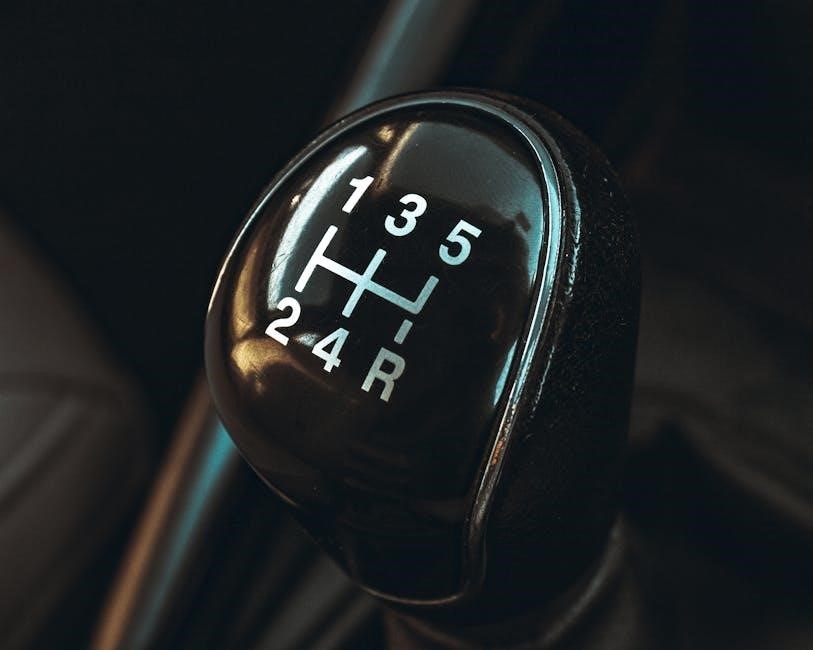
The Historical Context: From Manual to Paddle Shifters
Initially dominant in motorsports, manual transmissions yielded to paddle shifters in Formula 1 during the 1980s, pioneered by Ferrari. This evolution reflects a pursuit of faster shifts and improved performance.
Manual Transmissions in Motorsports History
For decades, manual transmissions reigned supreme in motorsports, demanding immense driver skill and engagement. They were the sole choice for performance-focused racing, requiring precise timing and physical exertion for optimal gear changes. This era fostered a direct connection between driver and machine, celebrated for its raw, unfiltered experience. However, the pursuit of speed and efficiency eventually led to innovations challenging this tradition. The need for quicker shifts and reduced driver fatigue spurred the development of alternative technologies, ultimately paving the way for paddle shifters.
The 1980s marked a turning point as Formula 1 began experimenting with paddle shifters, initially pioneered by Ferrari. This innovation aimed to reduce shift times and enhance driver performance, offering a significant advantage on the track. Early systems weren’t flawless, but continuous refinement led to widespread adoption. The transition from manual to paddle shifters represented a paradigm shift, prioritizing speed and consistency over the traditional driver skill of heel-toe downshifting. Ultimately, paddle shifters became standard, reshaping F1 racing.
Evolution of Paddle Shifter Technology
Initially, paddle shifters in Formula 1 faced reliability issues, but relentless engineering improved their responsiveness and durability. Modern systems integrate seamlessly with sophisticated computer controls and dual-clutch transmissions (DCTs). These advancements allow for incredibly fast, almost imperceptible gear changes, surpassing the capabilities of even the most skilled manual drivers. Software optimization plays a crucial role, predicting driver intent and pre-selecting gears. Today’s paddle shifters represent a pinnacle of automotive technology, offering unparalleled control.
Market Trends and Availability
Globally, automatic transmissions dominate, with paddle shifters appearing in increasingly affordable models; North America, Europe, and Asia show varied preferences, driving manufacturer strategies.
The Global Transmission Market Overview
The transmission market is experiencing significant evolution, largely driven by the decline of manual transmissions and the rise of automatics, particularly those equipped with paddle shifters. A 2023 report indicates a global shift towards automated systems, fueled by consumer demand for convenience and advancements in technology.
Regions like North America demonstrate a strong preference for automatics, while Europe shows a slightly higher, though decreasing, interest in manuals. Asia’s market is diverse, with varying adoption rates depending on vehicle segment and local preferences. Paddle shifters are increasingly integrated into mass-market vehicles, expanding their accessibility.
Affordable Cars with Paddle Shifters
A notable trend is the democratization of paddle shifters, once exclusive to luxury vehicles. Increasingly, manufacturers are incorporating them into more affordable models, broadening their appeal. This accessibility challenges the traditional association of manual transmissions with driver engagement and affordability.
Lists are emerging showcasing the ten most budget-friendly cars offering this feature, demonstrating a growing market segment. This expansion caters to drivers seeking a sporty feel and enhanced control without the higher price tag of premium vehicles, effectively bridging the gap between manual and automatic experiences.
Regional Preferences for Transmission Types (North America, Europe, Asia)
Transmission preferences exhibit significant geographical variation. North America demonstrates a strong leaning towards automatic transmissions, with manual uptake at a mere 4% as of 2023. Europe retains a more substantial, though declining, manual transmission base, valuing driver involvement.
Asia presents a complex landscape, with varying adoption rates influenced by factors like traffic congestion and vehicle affordability. The global transmission market reflects these regional nuances, impacting the demand for both manual gearboxes and paddle-shifted automatics.
Technological Advancements
Modern automatics and Dual-Clutch Transmissions (DCTs), paired with paddle shifters, surpass older automatics in performance. Computers and software enable split-second gear changes.
Modern Automatic Transmissions and Paddle Shifters
Contemporary automatic transmissions, especially when coupled with paddle shifters, represent a significant leap forward. They offer a seamless driving experience, often exceeding the capabilities of traditional manual systems. These advancements stem from sophisticated computer control and improved clutch technology.
Paddle shifters grant drivers manual control over gear selection within the automatic framework, providing a more engaging experience. DCTs, in particular, deliver incredibly fast and precise shifts, rivaling those achieved by skilled manual drivers. This combination delivers both convenience and performance.
Dual-Clutch Transmissions (DCTs) Explained
Dual-Clutch Transmissions (DCTs) represent a pivotal advancement, bridging the gap between traditional automatics and manuals. DCTs utilize two separate clutches for odd and even gears, pre-selecting the next gear for incredibly rapid shifts.
When paired with paddle shifters, DCTs offer unparalleled control and responsiveness. This technology allows for near-instantaneous gear changes, often faster than a skilled manual driver can achieve. DCTs deliver a sporty, engaging experience while maintaining the convenience of an automatic;
The Role of Computers and Software
Modern transmissions, especially those with paddle shifters, heavily rely on sophisticated computer control and software algorithms. These systems manage shift points, clutch engagement, and overall transmission behavior for optimal performance and efficiency.
Advanced software enables features like launch control and adaptive learning, tailoring shifts to the driver’s style. Computers ensure smooth transitions and maximize fuel economy. This intricate control is a key reason paddle shifters surpass older automatics in responsiveness.
Cost and Maintenance
Paddle shifter systems often present a higher initial cost, but long-term maintenance can be comparable to manuals. Repair complexity may be greater, impacting parts availability.
Initial Purchase Price Comparison
Generally, vehicles equipped with manual transmissions carry a lower initial purchase price compared to those featuring paddle shifters or advanced automatic systems. However, this price difference is narrowing as paddle shifters become increasingly common even in affordable models. A feature once exclusive to luxury cars is now appearing in mass-market options.
The cost of the transmission itself contributes to this disparity, with dual-clutch transmissions (DCTs) – often paired with paddle shifters – being more expensive to manufacture. Ultimately, the specific vehicle model and trim level significantly influence the final price, potentially overshadowing the transmission choice.
Long-Term Maintenance Costs
Traditionally, manual transmissions were considered cheaper to maintain due to their simpler mechanical design. However, modern automatic transmissions with paddle shifters, particularly DCTs, are proving surprisingly reliable. Clutch replacements, a common manual transmission expense, are avoided with most paddle shifter systems.
Potential long-term costs for paddle shifters include servicing the mechatronic systems and transmission fluid changes. Repair complexity can be higher, potentially increasing labor costs, but overall, the difference in long-term maintenance is becoming less significant.
Repair Complexity and Availability of Parts
Repairing manual transmissions often requires specialized skills, but parts are generally readily available and affordable. Paddle shifter systems, especially DCTs, involve intricate electronics and hydraulics, increasing repair complexity. Diagnostic tools and trained technicians are crucial for accurate troubleshooting.
Parts availability for older or less common paddle shifter setups might be limited, potentially leading to longer repair times and higher costs. However, for popular models, parts supply is usually sufficient, though potentially more expensive than manual components.
The Future of Transmissions
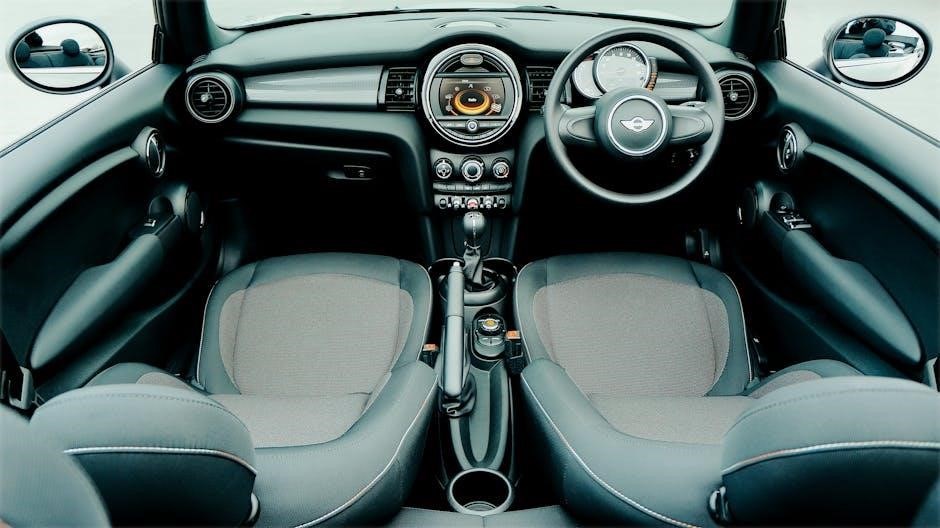
Electric vehicles are reshaping transmission needs, while paddle shifters continue evolving with software improvements. Manual transmissions face an uncertain future, potentially preserved by enthusiast demand.
Potential Developments in Manual Transmission Technology
Despite the decline, innovation in manual transmissions isn’t entirely stagnant. Potential advancements focus on enhancing the driving experience, possibly through automated rev-matching systems or adaptive clutch control. These features aim to bridge the gap between the engagement of a manual and the convenience of automatics.
Furthermore, research into lighter materials and improved gear designs could optimize performance and fuel efficiency. However, significant investment is unlikely given the shifting market preference towards automatic and paddle-shifted systems, particularly as electric vehicle adoption grows.
The Continued Evolution of Paddle Shifter Systems
Paddle shifter technology is rapidly evolving, moving beyond simple upshift/downshift functionality. Modern systems integrate with sophisticated transmission control units (TCUs) and dual-clutch transmissions (DCTs) for incredibly fast and seamless gear changes.
Future developments will likely focus on predictive shifting algorithms, anticipating driver needs and optimizing gear selection for performance or efficiency. Haptic feedback and customizable shift mapping are also areas of ongoing refinement, enhancing driver engagement and control.
The Impact of Electric Vehicles on Transmission Choices
Electric vehicles (EVs) present a unique challenge to traditional transmission paradigms. Most EVs utilize a single-speed gearbox due to the electric motor’s broad torque curve, diminishing the need for multiple gears. However, paddle shifters are appearing in some high-performance EVs, not for gear changes, but to control regenerative braking levels.
This offers drivers a degree of control mimicking engine braking in manual cars. As EV technology advances, we may see more sophisticated simulated shifting via software, potentially reviving the appeal of paddle-based control.

Who are Paddle Shifters and Manual Transmissions For?
Manual transmissions suit enthusiasts valuing driver engagement and control, while paddle shifters appeal to those desiring performance with convenience, blending both worlds seamlessly.
Ideal Driver Profiles for Manual Transmissions
The purist driver, deeply connected to the driving experience, thrives with a manual transmission. This individual appreciates the skill required, the direct control over gear selection, and the heightened sense of engagement. They often enjoy motorsports heritage and value a nostalgic connection to driving.
Enthusiasts seeking maximum control on winding roads and a more immersive driving experience also gravitate towards manuals. They aren’t necessarily prioritizing comfort or convenience, but rather the raw, unfiltered connection between driver and machine. A willingness to learn and practice is key.
Ideal Driver Profiles for Paddle Shifters
The driver desiring performance with convenience finds paddle shifters ideal. They appreciate the ability to manually control gear selection for spirited driving, without the fatigue of a clutch pedal. Modern automatic transmissions paired with paddle shifters offer a compelling blend of speed and ease.
Daily commuters and those prioritizing comfort also benefit from this technology. Paddle shifters provide a touch of driver involvement without sacrificing the smoothness of an automatic. They are perfect for those wanting a more engaging experience without a steep learning curve.
Consumer Perception and Preferences
Nostalgia clashes with modern convenience, influencing transmission choices. While some cherish the manual experience, many embrace paddle shifters for their ease and performance benefits.
Survey Data on Transmission Preferences (US Market)
Recent surveys reveal a stark decline in manual transmission preference within the US market. A CR study from May 2023 indicates that only 4% of American drivers primarily operate vehicles equipped with a manual gearbox. This statistic highlights a significant shift towards automatic transmissions and, increasingly, vehicles featuring paddle shifters.
Consumer Reports data suggests a growing acceptance of automated shifting technologies. While a dedicated survey focusing solely on paddle shifter preference isn’t readily available, the overall trend demonstrates a preference for convenience and ease of use, factors that paddle shifters directly address.
The Appeal of Nostalgia vs. Modern Convenience
A compelling tension exists between the nostalgic allure of manual transmissions and the undeniable convenience of modern automatics, especially those with paddle shifters. Many enthusiasts cherish the driver engagement and sense of control offered by a traditional stick shift, viewing it as a purist driving experience.
However, the vast majority of drivers prioritize ease of use, particularly in congested urban environments. Paddle shifters bridge this gap, offering a degree of control without the learning curve or physical demands of a manual, appealing to a broader audience.
Changing Attitudes Towards Manual Transmissions
Attitudes towards manual transmissions are demonstrably shifting, reflected in their declining market share – only 4% of US drivers favored them in 2023. While once the standard, manuals are increasingly perceived as requiring too much effort for daily commutes. This decline coincides with the rise of sophisticated automatic transmissions and paddle shifters.
The perception of manuals as solely for “driving purists” contributes to this trend. Paddle shifters offer a compelling alternative, providing a similar level of control without the steep learning curve, attracting drivers seeking both performance and convenience.

Choosing the Right Transmission
The “better” transmission depends on individual needs. Manuals appeal to purists, while paddle shifters offer convenience and performance. Consider driving style and daily use!
Recap of Key Differences
Manual transmissions demand full driver engagement, requiring clutch control and precise shifting for optimal performance, offering a nostalgic driving experience. Paddle shifters, conversely, automate gear changes via steering wheel-mounted paddles, providing convenience and rapid shifts, especially in modern dual-clutch transmissions (DCTs).
DCTs excel in acceleration and responsiveness, rivaling manuals on winding roads. Paddle shifters generally enhance fuel efficiency compared to older automatics, though manuals can still offer an edge. Ultimately, the choice hinges on prioritizing driver involvement versus ease of use.
Factors to Consider When Making a Decision
Evaluate your driving style: Do you relish complete control and a connected feel, or prioritize comfort and convenience? Consider your daily commute: Manuals can be tiresome in stop-and-go traffic. Assess your budget: Paddle shifter-equipped cars may have a higher initial cost.
Think about long-term maintenance: Manuals can be cheaper to repair, but DCTs offer reliability. Reflect on your preferences: Nostalgia versus modern technology plays a role. Test drive both to experience the differences firsthand!
The Ongoing Debate: Which is Truly Better?
The “better” transmission is subjective. Manuals offer unparalleled driver engagement and a visceral connection, appealing to enthusiasts. Paddle shifters, particularly with DCTs, deliver incredibly fast shifts and maintain control. Modern automatics with paddles rival manual responsiveness on winding roads.
Ultimately, the choice depends on individual priorities. Comfort, convenience, and technological advancement favor paddle shifters, while purists champion the manual experience. There is no definitive winner!