Parking Brake System in Manual Transmission Vehicles: A Comprehensive Guide
Manual transmission vehicles uniquely depend on the parking brake for secure immobilization, lacking a ‘park’ position; it’s a crucial safety component.
Parking brakes, also known as handbrakes or emergency brakes, are vital safety mechanisms in all vehicles, but their role is particularly significant in those with manual transmissions. Unlike automatic transmissions which feature a ‘Park’ position to mechanically lock the drivetrain, manual transmission cars rely almost entirely on the parking brake to prevent movement when parked.
This is because a manual transmission doesn’t inherently possess a locking mechanism when in neutral or any gear. The parking brake, therefore, becomes the sole means of securing the vehicle against rolling, especially on inclines. Understanding how these systems function, their proper use, and necessary maintenance is crucial for every driver of a manual transmission vehicle, ensuring both safety and preventing potential damage.
The Fundamental Difference: Manual vs. Automatic Parking Systems
The core distinction lies in drivetrain locking. Automatic transmissions incorporate a ‘Park’ position that physically engages a pawl to prevent the transmission output shaft from rotating, effectively locking the wheels. Conversely, manual transmission vehicles lack this inherent locking feature. They depend on the parking brake to apply frictional force directly to the wheels, holding the vehicle stationary.
While automatics offer a convenient mechanical lock, manual transmission drivers must actively engage the parking brake every time they park. This reliance makes the parking brake a primary safety component, not merely a backup. Furthermore, the parking brake’s effectiveness is crucial on inclines, where gravity can overcome a poorly engaged system, highlighting the difference in safety protocols.
Why Manual Transmission Cars Rely Heavily on Parking Brakes
Manual transmission cars fundamentally depend on the parking brake because they lack a dedicated mechanical locking mechanism within the transmission itself, unlike automatic vehicles with a ‘Park’ position. This absence means the parking brake is the sole means of preventing movement when parked, especially on inclines.
Without a parking brake, a manual transmission car could easily roll due to gravity, posing a significant safety hazard. The parking brake applies direct frictional force to the wheels, overcoming this potential for movement. Therefore, consistent and proper use is paramount. It’s not simply a convenience, but a critical safety feature for manual transmission vehicles, ensuring secure immobilization in all parking scenarios.
How a Parking Brake Works: Mechanical Systems
Mechanical systems utilize cables connecting the handbrake lever to brake shoes, pressing them against drums or discs to immobilize the vehicle.
Traditional Cable-Operated Parking Brakes Explained
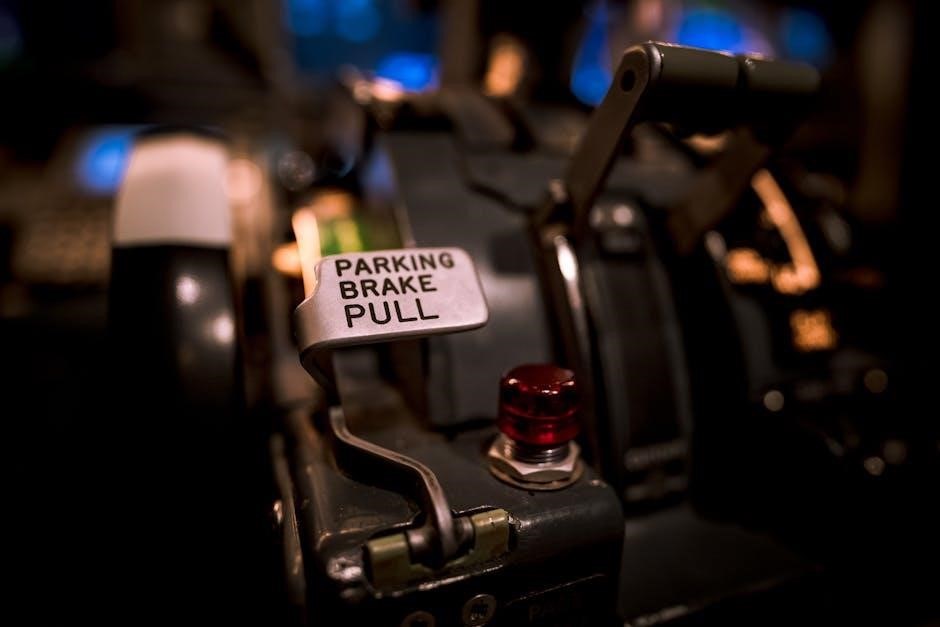
Traditional cable-operated parking brakes represent a longstanding mechanical solution for securing vehicles, particularly those with manual transmissions. These systems rely on a network of steel cables that physically connect the handbrake lever, typically located within the driver’s cabin, to the braking mechanisms at the rear wheels. When the lever is engaged, it pulls on these cables, activating the brakes.
The fundamental principle involves applying force to the brake shoes, pressing them against either brake drums or brake discs. This friction generates the necessary resistance to prevent the vehicle from moving. The simplicity and reliability of this design have made it a staple in automotive engineering for decades. Regular inspection of these cables is vital, as fraying or corrosion can compromise the system’s effectiveness, potentially leading to safety concerns.
The Role of Brake Shoes and Drums/Discs in Mechanical Systems
In manual transmission vehicles utilizing traditional mechanical parking brakes, brake shoes and either drums or discs play a pivotal role in achieving immobilization. When the parking brake is activated, the cable tension forces the brake shoes outwards. If the vehicle employs drum brakes, these shoes press directly against the inner surface of the rotating drum, creating friction and halting wheel rotation.
Conversely, in disc brake systems, the parking brake mechanism typically engages a separate set of brake shoes within the caliper, pressing them against the brake disc hat. This action generates the necessary friction to hold the vehicle stationary. The effectiveness of this system hinges on the integrity of these components; worn shoes or damaged drums/discs diminish braking power.
Understanding the Handbrake Lever and its Connection
The handbrake lever, a familiar feature in manual transmission cars, serves as the primary control for engaging the mechanical parking brake. Pulling the lever initiates a cable pull, transmitting force to the rear brakes. This cable system is meticulously routed from the lever, often located between the front seats, to the brake assemblies at each rear wheel.
The connection involves a series of linkages and pivots, ensuring even distribution of braking force. The lever’s ratchet mechanism securely holds the cable taut, maintaining the engaged brake. Regular adjustment of this cable is crucial; slack can reduce effectiveness, while excessive tension can cause premature wear. Understanding this direct mechanical link highlights the driver’s control over the vehicle’s immobilization.

Electronic Parking Brakes (EPB) in Modern Manuals
Electronic parking brakes replace traditional cables with electric actuators, offering enhanced control and integration with vehicle stability systems in manual cars.
How EPB Systems Differ from Traditional Mechanical Brakes
Traditional mechanical parking brakes utilize a cable system directly connecting the handbrake lever to the brake shoes or discs. Pulling the lever physically tightens the cables, applying the brakes. Electronic Parking Brake (EPB) systems, however, eliminate this mechanical linkage. Instead, an electric motor activates the braking mechanism.
This fundamental difference provides several advantages. EPB systems often integrate with the vehicle’s anti-lock braking system (ABS) and electronic stability control (ESC), enhancing overall safety; They can also offer features like automatic engagement on inclines and automatic release when driving. Furthermore, EPBs remove the need for manual cable adjustments, which can degrade over time in mechanical systems. The EPB’s reliance on electronic signals allows for more precise control and potentially faster response times compared to the purely mechanical operation of a traditional handbrake, especially crucial in manual transmission vehicles.
Components of an Electronic Parking Brake System
An Electronic Parking Brake (EPB) system comprises several key components working in unison. A central control unit, often integrated with the vehicle’s braking system computer, manages the entire operation. Electric motors, typically one per rear wheel, directly apply the braking force. These motors actuate the calipers, pressing the brake pads against the rotors, similar to the function of a traditional system, but electronically controlled.
A switch, often replacing the traditional handbrake lever, allows the driver to engage or disengage the EPB. Sensors monitor the system’s performance, providing feedback to the control unit. Wiring harnesses connect all components, enabling communication and power distribution. Importantly, even in manual transmission cars utilizing EPB, the system often integrates with the vehicle’s stability control, offering enhanced safety and convenience over purely mechanical setups.
Advantages and Disadvantages of EPB Systems
Electronic Parking Brake (EPB) systems offer several advantages, particularly in manual transmission vehicles. They free up cabin space by eliminating the traditional handbrake lever, providing a more modern aesthetic. Integration with stability control systems enhances safety, potentially assisting in preventing rollaway situations. EPB also offers convenience, often including an auto-hold function for traffic stops.
However, disadvantages exist. EPB systems are more complex and potentially more expensive to repair than traditional mechanical brakes. A failure in the electronic components can render the system inoperable, requiring professional attention. Some drivers miss the tactile feedback of a mechanical handbrake. Furthermore, jump-starting a vehicle with an active EPB can be problematic, demanding specific procedures to avoid damage.
Using the Parking Brake Correctly: Best Practices
Manual transmission cars necessitate consistent parking brake use, even on level ground, as it’s the primary holding mechanism, ensuring vehicle security and safety.
Engaging the Parking Brake on Level Ground
For manual transmission vehicles parked on level surfaces, consistently engaging the parking brake is paramount, even if it seems unnecessary. Unlike automatic transmissions with a ‘Park’ setting, a manual relies solely on the brake to prevent rolling.
Begin by ensuring the vehicle is completely stopped. Then, firmly depress the clutch pedal and shift into neutral. Slowly release the clutch. Now, fully engage the parking brake, applying steady, even pressure. Avoid jerking the lever or pedal, as this can cause uneven brake shoe contact.
After applying the parking brake, gently release the service brake pedal to confirm the parking brake is holding the vehicle securely. If the vehicle moves, re-apply the parking brake more firmly or seek professional inspection. This practice establishes a vital safety habit, preventing unintended movement and potential accidents.
Applying the Parking Brake on Hills: Uphill and Downhill Techniques
Parking a manual transmission vehicle on a hill demands extra caution. When facing uphill, turn the steering wheel towards the curb, engage first gear, and firmly apply the parking brake. Release the clutch slowly, allowing the engine to briefly resist rollback before fully engaging the brake. This dual action provides redundancy.
Downhill parking requires a different approach. Turn the wheels towards the curb, shift into reverse gear, and firmly set the parking brake. Again, gently release the clutch to utilize engine compression. Always ensure the parking brake is fully engaged before exiting the vehicle.
Remember, the parking brake is your primary defense against rolling on inclines with a manual transmission. Regularly inspect its functionality, and never rely solely on the gear position to hold the vehicle.
Releasing the Parking Brake: Avoiding Common Mistakes
Releasing the parking brake in a manual transmission vehicle requires a smooth, deliberate process to prevent jolting or unintended movement. A common mistake is abruptly disengaging the brake, which can cause the car to lurch forward or backward, especially on inclines.
Before starting the engine, depress the clutch pedal fully. Gently release the parking brake while simultaneously applying a small amount of throttle and preparing to select a gear. This coordinated action minimizes stress on the drivetrain.
Always double-check that the parking brake is completely disengaged before driving. Forgetting to release it can lead to brake pad wear and potential damage to the braking system. A visual confirmation is always recommended.

Parking Brake Maintenance and Troubleshooting
Manual transmission parking brake systems require regular cable inspection and adjustment for optimal performance; addressing issues promptly prevents costly repairs and ensures safety.
Regular Inspection of Parking Brake Cables and Components
Consistent inspection of the parking brake system in manual transmission vehicles is paramount for safety and functionality. Cables should be visually checked for fraying, corrosion, or kinks, as these compromise their integrity. Pay close attention to the points where the cables connect – ensuring secure attachment is vital.
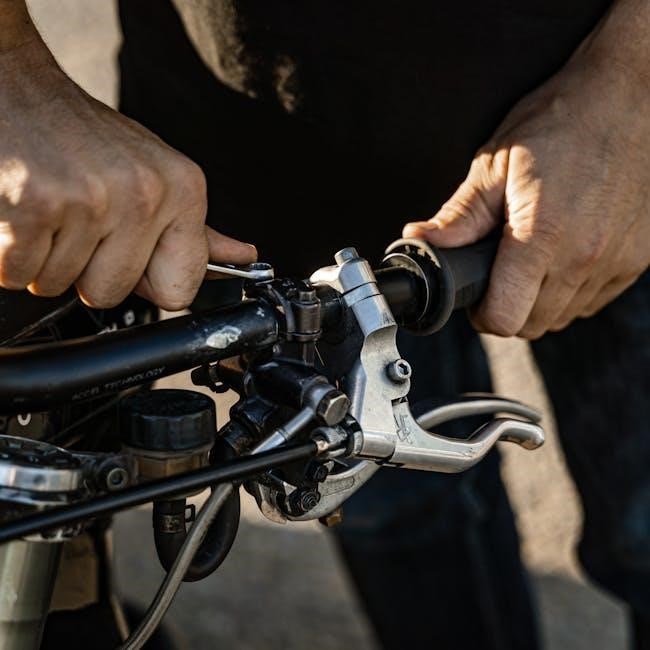
Inspect the lever mechanism itself, verifying smooth operation and proper engagement. For vehicles with traditional mechanical systems, examine the brake shoes and drums/discs for wear and tear. Any signs of damage necessitate immediate attention. Regularly assess the handbrake lever’s connection, confirming it’s not loose or damaged.
Don’t overlook the equalization points within the cable system; these ensure even brake force distribution. A thorough inspection, ideally every six months or with routine vehicle maintenance, can prevent unexpected failures and maintain reliable stopping power.
Adjusting the Parking Brake for Optimal Performance
Proper adjustment of the parking brake is crucial, especially in manual transmission cars where it’s the primary holding mechanism. Begin by loosening the adjustment nut located near the handbrake lever or equalization points. Engage the handbrake fully, then tighten the nut until the brake engages firmly, typically requiring 7-10 clicks.
Verify equal braking force on both rear wheels; uneven engagement indicates a need for further adjustment or potential cable issues. Ensure the handbrake releases completely when disengaged, preventing drag and potential overheating.
If adjustment proves difficult or ineffective, a professional inspection is recommended. Regular adjustments, ideally during routine maintenance, maintain optimal performance and prevent excessive wear on the system. A correctly adjusted parking brake ensures vehicle security on inclines and reliable emergency stopping capability.
Common Parking Brake Problems and Their Solutions
Several issues can plague parking brake systems, particularly in manual transmission vehicles. Sticking cables are frequent, often due to corrosion or damage, requiring lubrication or replacement. A handbrake lever with excessive travel suggests cable stretch or internal mechanism wear, needing adjustment or component replacement.
Uneven braking force between wheels indicates a cable imbalance or failing brake shoes/pads. A brake that won’t release fully can cause drag and overheating, demanding immediate attention. If the parking brake feels spongy or lacks holding power, inspect for leaks or damaged components.
For minor adjustments, try tightening the cable; however, significant issues necessitate professional diagnosis and repair. Ignoring these problems compromises safety and can lead to more extensive, costly repairs;
Safety Considerations and Emergency Use
The parking brake serves as a secondary system; in emergencies, use it cautiously, understanding its limitations, especially with manual transmissions.
Using the Parking Brake as an Emergency Brake
While designed primarily for parking, the parking brake can function as a supplemental braking system in emergency situations, particularly crucial for vehicles with manual transmissions. However, it’s vital to understand its limitations. Applying the parking brake at high speeds can cause the wheels to lock up, leading to a loss of steering control and potentially a skid.
In a genuine emergency where the primary brakes fail, gradually engage the parking brake while simultaneously downshifting through the gears in a manual transmission. This helps maintain some control and reduces speed. Avoid abrupt or forceful application, as this can exacerbate the situation. Remember, the parking brake is not a replacement for properly maintained primary brakes and should only be used as a last resort. Professional inspection is vital after any emergency brake use.
Limitations of the Parking Brake in Emergency Situations
Despite its potential as a backup, the parking brake has significant limitations when used as an emergency brake, especially in manual transmission vehicles. Abruptly engaging it at speed can induce wheel lockup, resulting in a complete loss of steering control and a dangerous skid. This is because it applies braking force directly to the rear wheels, potentially upsetting vehicle balance.
Furthermore, the parking brake’s stopping power is considerably less than the primary braking system. Prolonged or heavy use can overheat the brake shoes or pads, diminishing their effectiveness and potentially causing failure. For manual cars, relying solely on the parking brake for extended deceleration isn’t advisable. It’s a temporary measure, and seeking professional repair for the primary brakes is paramount immediately after the emergency.
When to Seek Professional Repair for Parking Brake Issues
Prompt professional attention is crucial if you notice any irregularities with your parking brake, particularly in a manual transmission vehicle where it’s a primary safety feature. A parking brake requiring excessive force to engage, or one that feels spongy or unresponsive, signals a potential problem. Unusual noises, like grinding or clicking sounds during operation, also demand immediate inspection.
Furthermore, if the parking brake doesn’t hold the vehicle securely, especially on an incline, or if it engages unevenly, do not delay repairs. Regular inspection of cables and components is vital. Ignoring these signs can lead to more extensive and costly repairs, compromising your safety and potentially resulting in a dangerous situation. Prioritize professional diagnosis and repair for optimal performance.