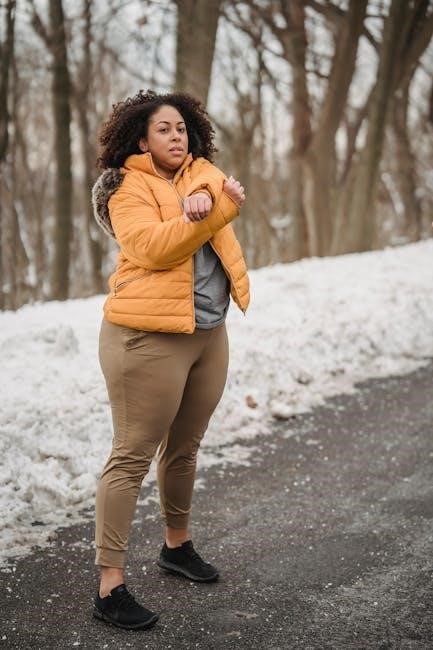
Navigating bomber jacket sizing can be tricky! Accurate measurements ensure a comfortable and stylish fit, considering variations in chest, shoulder, and back length.
What is a Bomber Jacket?
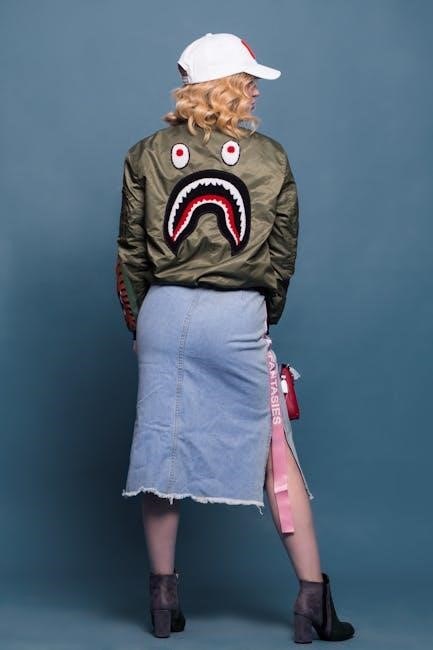
Originally designed for military pilots during World War II, the bomber jacket—also known as a flight jacket—has evolved into a timeless fashion staple. Characterized by a quilted or padded interior, a ribbed collar, cuffs, and hem, and a generally shorter length, it offers both warmth and a distinctive aesthetic.
These jackets were initially crafted from durable materials like leather to protect pilots from harsh weather conditions at high altitudes. Today, bomber jackets are available in a wide array of materials, including nylon, cotton, and satin, catering to diverse styles and preferences. The snug hem is a defining feature, preventing drafts and maintaining a streamlined silhouette.
Why Accurate Sizing Matters
A properly fitted bomber jacket enhances both comfort and style. An ill-fitting jacket can restrict movement, appear unflattering, or simply not provide adequate warmth. Accurate sizing ensures the jacket sits correctly on your shoulders, allows for a full range of motion in the arms, and maintains the intended silhouette – whether that’s slim, regular, or relaxed.
Furthermore, bomber jackets often feature a snug fit around the waist, and incorrect sizing can disrupt this crucial element. A jacket that’s too tight will feel constricting, while one that’s too loose will lose its shape and intended aesthetic appeal. Taking the time to measure correctly is paramount.

Understanding Key Measurements
Essential measurements include chest, shoulder, sleeve length, back length, and waist. These determine the jacket’s fit and overall appearance for optimal comfort.
Chest Measurement
Accurate chest measurement is fundamental for a well-fitting bomber jacket. Use a measuring tape to measure around the fullest part of your chest, keeping the tape level and comfortably snug under your armpits. Do not pull the tape too tightly, or the measurement will be inaccurate.
Double this measurement to get your total chest size. This is a crucial number when comparing yourself to brand-specific size charts. Remember that bomber jackets often have a slightly tailored fit, so a precise chest measurement is vital. A jacket that’s too tight will restrict movement, while one that’s too loose will lose its shape and style.
Consider the layering you intend to do; if you plan to wear sweaters underneath, add a couple of inches to your chest measurement for a comfortable fit.
Shoulder Measurement
Determining your shoulder measurement is key to ensuring a bomber jacket sits correctly. To measure, find the point where your shoulder meets your arm. Measure across your back from this point on one shoulder to the same point on the other. Keep the measuring tape straight and level.
This measurement dictates how the jacket will drape across your upper back and arms. A proper shoulder fit prevents the jacket from feeling restrictive or appearing awkwardly sized. Compare your shoulder measurement to the size chart provided by the jacket’s manufacturer.
Pay attention to variations; some brands offer different shoulder widths within the same size.
Sleeve Length Measurement
Accurate sleeve length is crucial for a bomber jacket’s overall fit and appearance. Begin by bending your arm slightly. Measure from the shoulder point (where your shoulder meets your arm) down to your wrist bone. Ensure the arm is relaxed, not fully extended or flexed, for a precise reading.
The sleeve should ideally end at your wrist bone, allowing for comfortable movement and a clean look. Too short, and the jacket feels restrictive; too long, and it can appear sloppy.
Consult the brand’s size chart, as sleeve lengths vary significantly between manufacturers and jacket styles.
Back Length Measurement
Determining the back length ensures the bomber jacket provides adequate coverage and a flattering silhouette. This measurement is taken from the highest point of the shoulder (where the collar meets the shoulder seam) straight down to the bottom hem of the jacket.
Stand upright and maintain a natural posture while someone else takes the measurement for accuracy. The back length influences how the jacket sits on your body and impacts overall proportions.
Refer to the specific brand’s size chart, as back lengths can differ. A properly fitted back length will enhance both comfort and style.
Waist Measurement
Accurate waist measurement is crucial for bomber jackets, especially those with a fitted or ribbed waistline. Measure around your natural waistline – typically the narrowest part of your torso – keeping the measuring tape comfortably snug, but not tight.
Avoid sucking in your stomach or expanding your chest during measurement. The jacket’s waist should fit snugly, defining your shape without feeling restrictive. It shouldn’t hang low or flare out excessively.
Consult the brand’s size guide, as waist measurements vary. A well-fitted waist enhances the jacket’s overall silhouette and provides a polished look.
Bomber Jacket Size Charts
Size charts are essential tools! US, European, UK, and Asian sizes differ; compare your measurements to specific brand charts for the best fit.
US Size Chart
Understanding the US sizing system is crucial for a proper bomber jacket fit. Generally, a US size Small corresponds to a chest measurement of around 36-38 inches, with a back length of approximately 27-28 inches and sleeve length of 33-34 inches. Medium typically fits a 40-42 inch chest, 28-29 inch back length, and 34-35 inch sleeves.
Large suits a 44-46 inch chest, a 29-30 inch back, and 35-36 inch sleeves. Extra Large accommodates a 48-50 inch chest, 30-31 inch back length, and 36-37 inch sleeves. XXL fits a 52-54 inch chest, with a back length of 31-32 inches and sleeves around 37-38 inches. Always verify with the brand’s specific chart!
European Size Chart
The European sizing system differs from US standards, requiring careful conversion for bomber jackets. A European size 42 generally aligns with a US Small, fitting a chest of approximately 96-98 cm (38-39 inches) and a back length around 65 cm. Size 44 corresponds to a US Medium, with a 100-102 cm (40-41 inch) chest and 67 cm back length.
Size 46 equates to a US Large (104-106 cm/42-43 inch chest, 69 cm back), while 48 is a US XL (108-110 cm/44-45 inch chest, 71 cm back). Size 50 matches a US XXL (112-114 cm/46-47 inch chest, 73 cm back). Always cross-reference with the brand’s individual size guide for accuracy!
UK Size Chart
Understanding the UK sizing system is crucial when purchasing bomber jackets online or from British brands. A UK size 8 typically corresponds to a US Small, suiting a chest measurement of around 36-38 inches. Size 10 aligns with a US Medium, fitting a 38-40 inch chest. For a US Large, look for a UK size 12, accommodating a 40-42 inch chest.
A UK 14 is generally equivalent to a US XL (42-44 inch chest), while a UK 16 matches a US XXL (44-46 inch chest). Remember that these are approximate conversions; always prioritize checking the specific brand’s size chart for the most accurate fit!
Asian Size Chart
Asian sizing for bomber jackets typically runs smaller than US or European sizes. It’s vital to carefully consult the brand’s specific chart, as variations exist. A size M in Asian sizing often equates to a US Small, fitting a chest around 36-38 inches. Size L frequently corresponds to a US Medium (38-40 inch chest).
If you usually wear a US Large, consider ordering an XXL in Asian sizing to ensure a comfortable fit. Always double-check the chest and sleeve length measurements provided by the seller before finalizing your purchase. Prioritize detailed measurements over relying solely on letter sizes!

Types of Bomber Jacket Fits
Bomber jackets come in diverse fits! Options include slim, regular, relaxed, and oversized styles, each impacting how the jacket drapes and feels.
Slim Fit Bomber Jackets
Slim fit bomber jackets are designed to closely follow the body’s natural shape, offering a modern and streamlined silhouette. These jackets typically have a tapered waist and fitted sleeves, creating a more polished look. They’re ideal for those who prefer a snug, fashionable fit and want to showcase their physique.
However, it’s crucial to ensure the jacket isn’t too tight, restricting movement or comfort. Pay close attention to shoulder and chest measurements, as a slim fit can emphasize these areas. Consider sizing up if you’re between sizes or prefer a bit more room for layering. These jackets often work best with fitted shirts or lightweight sweaters underneath.
Regular Fit Bomber Jackets
Regular fit bomber jackets strike a balance between comfort and style, offering a classic and versatile look. These jackets provide ample room for movement without appearing overly baggy, making them suitable for a wide range of body types and layering options. They generally have a straighter cut through the chest and waist, allowing for comfortable wear with various clothing underneath.
When selecting a regular fit, focus on achieving a comfortable, yet not loose, fit in the shoulders and chest. This style is a safe bet for those unsure about their size or preferring a more relaxed feel. It’s a great everyday option, easily paired with t-shirts, sweaters, or even light hoodies.
Relaxed Fit Bomber Jackets
Relaxed fit bomber jackets prioritize comfort and ease of movement, offering a looser silhouette than regular or slim-fit styles. These jackets provide generous room throughout the chest, shoulders, and waist, making them ideal for layering over thicker garments or for individuals who prefer a more casual, unrestrictive feel. They often feature a slightly dropped shoulder and a more generous sleeve length.
When choosing a relaxed fit, consider your layering needs. If you plan to wear bulky sweaters underneath, opting for a size up might be beneficial. While comfortable, ensure the jacket doesn’t appear excessively oversized or shapeless; a balanced relaxed fit maintains a stylish appearance.
Oversized Fit Bomber Jackets
Oversized bomber jackets represent a contemporary fashion statement, deliberately featuring a significantly looser fit throughout the entire garment. This style prioritizes a bold, voluminous silhouette, often extending beyond traditional proportions. Expect ample room in the chest, shoulders, sleeves, and body, creating a relaxed and intentionally baggy aesthetic.
When selecting an oversized bomber, consider intentionally sizing up – sometimes two sizes up – from your typical measurement. However, be mindful of maintaining some structure; excessively large jackets can appear shapeless. Pair with fitted bottoms to balance the proportions and avoid an overwhelming look. This fit is ideal for those embracing current streetwear trends.

Sizing Variations by Brand
Brand sizing differs significantly! Always consult specific brand guides, as a size ‘M’ in one brand may fit like an ‘L’ in another.
Brand A Sizing Guide
Brand A generally runs true to size, but their slim-fit bomber jackets may require sizing up for a comfortable fit, especially for those with broader shoulders. Their size chart indicates a chest measurement of 42 inches corresponds to a US size Medium.
However, customers frequently report that the sleeves run slightly shorter than expected. Brand A’s back length measurements are fairly standard, averaging around 67-69cm for sizes S-XL. It’s crucial to double-check their specific chart, as variations exist between different bomber jacket styles – nylon versus leather, for instance.
Reviewing customer feedback suggests prioritizing chest and shoulder fit, as alterations to the sleeves are often easier. Brand A’s return policy is relatively accommodating, allowing for exchanges within 30 days of purchase, which is helpful for finding the perfect fit.
Brand B Sizing Guide
Brand B’s bomber jackets tend to have a more relaxed fit, meaning you might consider sizing down if you prefer a slimmer silhouette. Their size charts often include both inches and centimeters, providing greater clarity. A 44-inch chest typically aligns with a US Large, but Brand B’s relaxed cut allows for some leeway.
Notably, Brand B’s sleeve lengths are generally generous, accommodating a wider range of arm lengths. Back length measurements are consistent with industry standards. Customer reviews frequently mention the comfortable, non-restrictive feel of their jackets.
However, some users with narrower builds have found the waist to be slightly loose. Brand B offers detailed product descriptions including fit recommendations, and their return process is straightforward, facilitating size adjustments.
Brand C Sizing Guide
Brand C distinguishes itself with a notably slim-fit aesthetic in its bomber jacket line. Consequently, many customers recommend sizing up one size, particularly if you intend to layer clothing underneath. Their size charts are quite precise, emphasizing accurate chest and shoulder measurements. A 124cm chest corresponds to an XXL, but the slim cut may necessitate an XXXL for a comfortable fit.
Sleeve lengths are often shorter compared to other brands, so carefully review the chart. Brand C prioritizes a tailored look, resulting in a more defined silhouette.
Customer feedback highlights the jacket’s stylish appearance, but also stresses the importance of accurate sizing to avoid a too-tight fit.

How to Measure Yourself for a Bomber Jacket
Precise self-measurement is key! Use a flexible measuring tape, and ideally, have a friend assist for accuracy in chest, shoulder, and sleeve length.
Using a Measuring Tape
Employing a measuring tape correctly is fundamental to achieving an accurate fit. Begin by standing naturally and maintaining good posture. Ensure the tape measure is level and snug, but not overly tight, against your body. For the chest measurement, position the tape under your armpits, across the fullest part of your chest, and double the result.
When measuring shoulders, find the bony points and measure the distance between them. Sleeve length is determined by measuring from the shoulder point, down the arm, to the wrist. Finally, for back length, measure from the base of your neck to your waist. Record all measurements carefully, as these will be crucial when referencing size charts.
Getting Help with Measurements
Accurate self-measurement can be challenging; don’t hesitate to enlist assistance! A friend or family member can ensure the measuring tape remains level and provides a more precise reading, particularly for back measurements. Having someone else measure eliminates potential errors caused by reaching or contorting your body.
They can also verify the snugness of the tape without compromising comfort. If possible, measure at a tailor or clothing store, where professionals have experience and tools for precise measurements. Remember, a second opinion or professional assistance can significantly improve the accuracy of your sizing, leading to a better-fitting bomber jacket.
Measuring with Different Clothing
When measuring for a bomber jacket, consider the clothing you’ll typically wear underneath. If you plan to layer sweaters or thicker shirts, measure over those layers to ensure a comfortable fit. Measuring over bulky clothing accounts for the added volume and prevents the jacket from feeling too tight.
Conversely, if you usually wear lightweight t-shirts, measure with those on. Avoid measuring over heavy coats or excessively loose garments, as this will distort the measurements. Consistency is key – always measure with similar clothing each time to maintain accuracy when comparing sizes across different brands or styles;

Common Sizing Issues & Solutions
Fit problems are common! Shoulders too tight? Sleeves too short? A snug waist is ideal; avoid excessive looseness or a flared hemline.
Jacket Too Tight in the Shoulders
A restricted range of motion is a key indicator. If the jacket limits your arm movement or causes discomfort across the upper back, it’s likely too small in the shoulders. This is a critical fit issue, as shoulder alterations are often complex and expensive.
Consider sizing up to allow for comfortable movement. Pay close attention to the shoulder seams; they should lie flat and align with the natural slope of your shoulders, not pull or bunch. A properly fitted jacket won’t feel constricting when you reach or rotate your arms. Prioritize shoulder comfort above all else!
Jacket Too Long or Short in the Sleeves
Sleeve length significantly impacts overall appearance and comfort. Ideally, the sleeve should end at your wrist bone when your arms are relaxed. If sleeves extend beyond your hands, they’re too long, hindering dexterity and looking disproportionate. Conversely, sleeves ending above the wrist feel restrictive and appear unfinished.
Minor sleeve adjustments are possible, but significant alterations can compromise the jacket’s structure. When measuring, bend your arm slightly to ensure adequate coverage during movement. Prioritize a length that allows for comfortable reach without bunching or exposing your wrists.
Jacket Too Tight Around the Chest
A snug, but not constricting, fit across the chest is crucial. If you struggle to button or zip the jacket, or feel restricted breathing, it’s likely too small. Tightness can also affect shoulder movement and overall comfort. Ensure enough room to layer a light sweater or shirt underneath without feeling overly compressed.
Check for pulling or straining at the buttons or zipper when moving your arms. A properly fitted jacket allows for a full range of motion without feeling restrictive. Prioritize comfort and functionality; a jacket that’s too tight will be unpleasant to wear.
Jacket Waist is Too Loose
A bomber jacket’s defining feature is a snug hem, preventing a ballooning effect. If the waist feels excessively loose, the jacket will lose its intended shape and stylish silhouette. The ribbing should sit comfortably around your waist, neither riding up nor flaring outwards.
A loose waist can also impact warmth, allowing cold air to enter. Consider sizing down or looking for jackets with adjustable waistbands or drawstrings for a more tailored fit. A properly fitted waist enhances the jacket’s overall aesthetic and provides a more flattering look.

Material & Sizing Considerations
Different materials impact fit! Leather often runs smaller, while nylon and cotton offer more flexibility. Satin may require precise sizing for drape.
Leather Bomber Jackets
Leather demands careful sizing! Unlike more forgiving fabrics, leather offers limited stretch. It’s crucial to measure accurately, prioritizing chest and shoulder fit. Often, leather jackets run slightly smaller, so consider sizing up, especially if you plan to layer clothing underneath.
Pay close attention to the leather’s thickness; thicker leather will feel more structured and potentially tighter. Ensure the shoulders aren’t constricted, as this impacts overall comfort. A snug, but not tight, fit is ideal. Remember that leather molds to your body over time, so avoid excessive looseness initially.
Nylon Bomber Jackets
Nylon bomber jackets generally offer a more relaxed fit due to the fabric’s inherent flexibility and often, a lining that adds volume. However, sizing still matters! Check the specific brand’s size chart, as variations exist. Consider your layering intentions – if you frequently wear sweaters, size up.
Nylon’s lightweight nature means a slightly looser fit won’t appear bulky; Focus on shoulder and sleeve length to ensure comfortable movement. A well-fitted nylon bomber should allow for a full range of motion without feeling overly tight or restrictive. Prioritize a snug waist to maintain the jacket’s classic silhouette.
Cotton Bomber Jackets
Cotton bomber jackets typically maintain their shape well, meaning sizing closely aligns with your measurements is crucial. Unlike nylon, cotton offers less stretch, so avoid sizing down expecting it to conform. Pay close attention to the chest and shoulder measurements to prevent a restrictive fit.
Consider the weight of the cotton – heavier cottons may feel more substantial and require a slightly looser fit for comfort. A properly sized cotton bomber should allow for comfortable layering without feeling bulky. Ensure the sleeves aren’t too long, hindering movement, or too short, disrupting the silhouette;
Satin Bomber Jackets
Satin bomber jackets often have a more luxurious and streamlined fit, demanding careful attention to sizing. Satin lacks significant stretch, so prioritize accurate measurements, particularly in the chest and shoulders. A snug, but not tight, fit is ideal to showcase the jacket’s drape and avoid a boxy appearance.
Because satin can sometimes feel delicate, avoid overly tight fits that might stress the fabric. Sleeve length is also critical; ensure they end at your wrist bone for a polished look. Consider layering options – satin doesn’t provide much warmth, so allow room for sweaters or shirts underneath.
Online Shopping Tips
Shop smart online! Always check return policies, read customer reviews for sizing feedback, and meticulously compare size charts between brands for the best fit.
Checking Return Policies
Before purchasing a bomber jacket online, thoroughly investigate the retailer’s return policy. Understanding the terms is crucial, as sizing can vary significantly between brands and styles. Look for policies that offer free returns, especially when dealing with potentially inaccurate sizing.
Pay close attention to the return window – how many days do you have to initiate a return? – and any associated fees, such as return shipping costs. Some retailers may offer store credit only, while others provide full refunds. A generous and straightforward return policy provides peace of mind, allowing you to confidently order and return if the fit isn’t perfect. Don’t hesitate to contact customer service if the policy is unclear.
Reading Customer Reviews

Customer reviews are an invaluable resource when determining bomber jacket sizing. Pay attention to comments specifically mentioning fit – do customers say the jacket runs large, small, or true to size? Look for reviews from individuals with similar body types to your own.
Focus on feedback regarding the chest, shoulders, and sleeve length, as these are critical areas for a proper fit. Note any recurring themes; if multiple reviewers report the same sizing issue, it’s a strong indicator. Be cautious of overly positive or negative reviews, and prioritize detailed, honest feedback. Reviews can reveal discrepancies between the size chart and the actual garment.
Comparing Size Charts
Brand sizing varies significantly, making chart comparison crucial. Don’t assume your usual size will fit across all brands; always consult the specific chart for each jacket you consider. Look closely at the measurements provided – chest, shoulder, sleeve length, and back length – and compare them to your own body measurements.
Pay attention to whether the chart uses US, European, or Asian sizing, as conversions can be inaccurate. Some retailers offer detailed size guides with visual representations. If discrepancies exist, prioritize the chart provided directly by the brand. Cross-referencing multiple charts can help identify potential inconsistencies.